Panama is one of Latin America's most popular markets for foreign property investors — and for good reason. It runs on the U.S. dollar, so there is no currency risk; prices have grown steadily; and a purchase can even earn you permanent residency. But the gap between a good investment and a disappointing one comes down to understanding the real numbers, not the ones in a sales brochure.
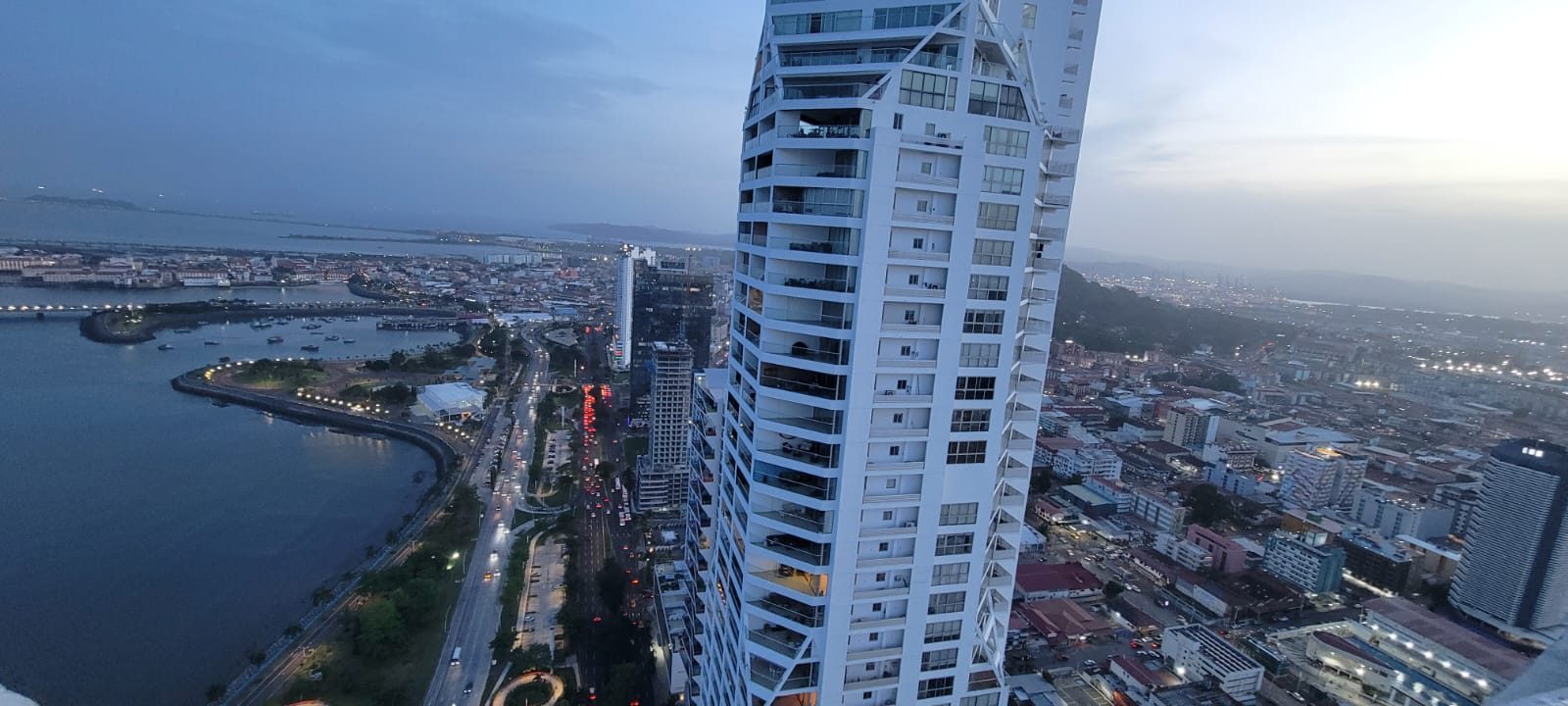
Why Panama for Property
Panama's biggest advantage is stability. The economy is dollarized, so a U.S.-dollar investor carries no exchange-rate risk — a rare feature in Latin America. Panama City prices rose roughly 3% to 4% over the past year and around 6% to 8% over two years, and independent forecasts put cumulative growth near 22% to 32% over the next five years. With U.S. interest rates easing into 2026, local mortgages are becoming more affordable, too.
On top of that, Panama's territorial tax system exempts foreign-source income, the country is a regional hub for banking, logistics and air travel, and a property purchase from US$300,000 can qualify you for permanent residency. For many buyers, the combination of a stable store of value, steady rental income and an optional Plan-B residency is the real attraction.
Rental Yields — the Real Figures
Here is the honest picture. Gross rental yields in Panama average around 6.9% nationally in 2026. In Panama City they run from about 4.5% in luxury waterfront areas to 7% or more in strong mid-market neighborhoods — El Cangrejo, Condado del Rey, San Francisco and parts of Obarrio lead the pack. Remember that net yield, after maintenance fees, vacancy and management, is usually 1.5 to 2 points lower than the gross figure.
For most foreign beginners, the sweet spot is a two-bedroom condo in a liquid, central neighborhood: it balances rent, resale and management effort better than oversized luxury units or cheap, hard-to-rent stock. Areas like Costa del Este, Clayton and Punta Pacifica offer lower headline yields but deeper, steadier tenant pools — stability over maximum return.
Choose the Right Unit
Property type matters as much as location. Well-located condos and apartments tend to appreciate best, followed by townhouses in gated communities, then villas and houses. Always favor titled or P.H. (condominium) property over Rights of Possession, and look hard at building quality, amenities and management — a well-run building rents faster and resells better. Avoid neighborhoods with a glut of identical new condos, where you would compete with dozens of similar units for the same tenant.
Commercial property is worth a look too. Well-placed retail and office units in growth corridors — Condado del Rey is a good example, with affordable entry prices and steady demand — can deliver attractive yields and longer leases than residential. Whatever you target, the right building in the right corridor beats simply chasing the lowest price per square meter.
Long-Term vs Airbnb
Long-term rental is the mainstream, predictable strategy in Panama, and it underpins the yield figures above. Short-term tourist rentals can earn more per night — Casco Antiguo, Avenida Balboa and San Francisco are the strongest areas — but they are regulated, and many residential apartment buildings flatly prohibit Airbnb-style stays under their P.H. rules.
So before you buy specifically for short-term rental, confirm the building's rules and any tourism licensing. And be skeptical of the sky-high net yields developers and some agents quote — across the city, very high net returns simply do not exist. Budget realistically for vacancy, fees and management, and your numbers will hold up.
Taxes, Costs & What to Watch
Plan for buyer closing costs of about 2% to 4% of the price (legal, notary and registry), which we break down in our buying guide. The annual property tax is 0% on the first US$120,000 of registered value for a primary-residence regime, then a low rate above that; capital gains on a future sale are generally 10% of the profit, with a 3% advance withheld at closing. Rent earned in Panama is taxable, even though your foreign income is not.
The real risks are concentrated, not catastrophic: buying in an oversupplied building (vacancy and weak rent), overpaying versus the registered value, or skipping due diligence on title and the building's reserve fund. Every one of these is avoidable with local market data, a licensed broker and a good attorney — which is exactly where we come in.
Invest With Verified Numbers
We do not sell dreams — we show you the math. As a licensed Panama brokerage, we give you realistic yields by neighborhood, vetted titled and P.H. units, full legal due diligence, and trusted property-management referrals, all in your language.
Real Yields
Neighborhood-level gross and net yield estimates, not brochure promises.
Due Diligence
Title, P.H. rules and reserve-fund checks before you commit a dollar.
Hands-Off Income
We connect you with trusted managers so your unit stays rented and maintained.
Frequently asked questions
What rental yield can I expect from Panama real estate?
Gross rental yields average around 6.9% nationally in 2026. In Panama City they range from about 4.5% in luxury areas to 7% or more in strong mid-market neighborhoods such as El Cangrejo, Condado del Rey and San Francisco. Net yields are typically 1.5 to 2 percentage points lower after costs.
Is Panama real estate a good investment in 2026?
Panama offers a dollarized economy with no currency risk for USD earners, steady mid-single-digit rental yields and projected price growth of roughly 22% to 32% over five years. It is a strong, stable market provided you buy the right unit in the right neighborhood rather than chasing the lowest price.
Can I rent my Panama property on Airbnb?
Short-term tourist rentals are regulated in Panama and prohibited in many residential apartment buildings, so long-term rental is the mainstream strategy. Always confirm the building's rules and any licensing requirements before buying specifically for short-term rental.
What is the best property to buy for investment in Panama?
For most foreign investors, a two-bedroom condo in a liquid, central Panama City neighborhood offers the best balance of rental demand, resale liquidity and easy management.